
Practice Areas
Slip and Fall Accidents
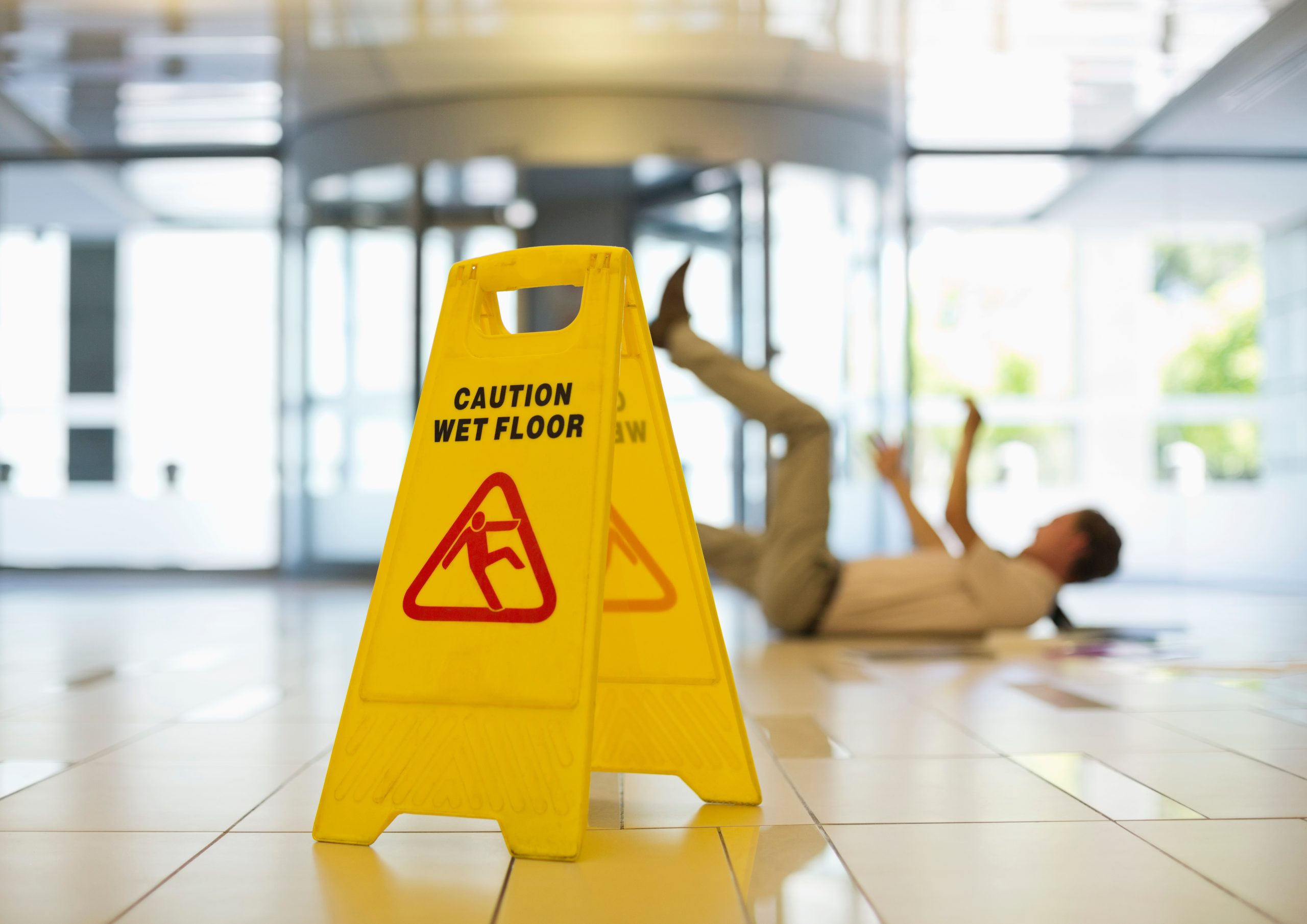
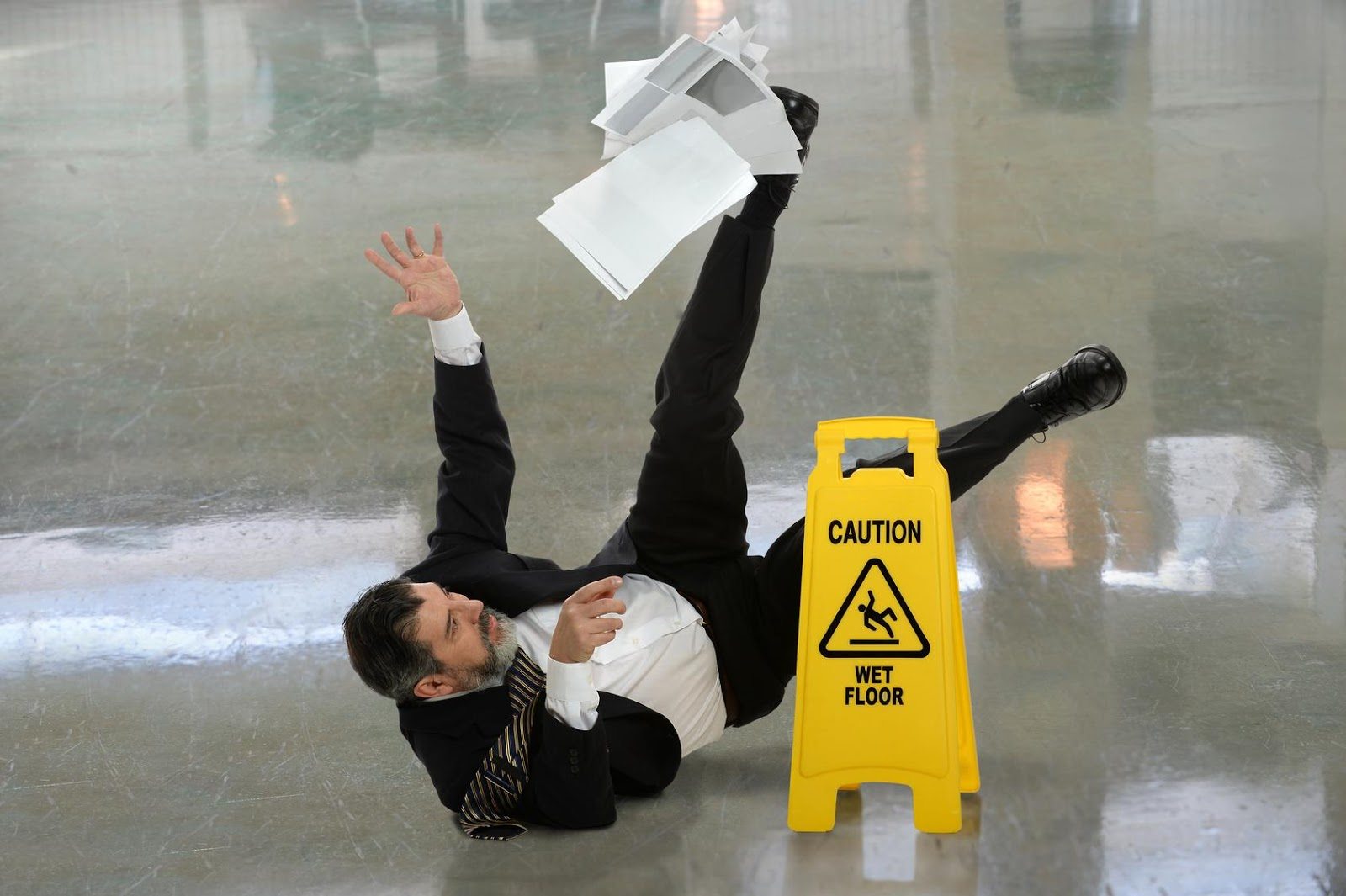
What is a Slip and Fall Accident?
Common Causes of Slip and Fall Accidents
Wet or Slippery Floors
Spills, leaks, or weather conditions can cause floors to become dangerously slick.
Uneven Surfaces
Cracked sidewalks, torn carpeting, and uneven stairs pose serious tripping hazards.
Poor Lighting
Inadequate lighting in walkways, staircases, or parking lots can make it difficult to notice hazards.
Cluttered Walkways
Debris, merchandise, or objects left in high-traffic areas can create dangerous obstacles.
Icy Conditions
Negligence in treating icy sidewalks or driveways can result in dangerous slip-and-fall situations.
Injuries You Can Experience in a Slip and Fall Accident
Fractures and Broken Bones
Arms, wrists, ankles, hips, and legs are especially vulnerable during a fall. Broken bones may require surgery, casting, and extended recovery times.
Head Injuries
Concussions, traumatic brain injuries (TBIs), and skull fractures are common in slip and fall accidents, particularly if you hit your head during the fall. Even mild head injuries can have serious long-term consequences.
Spinal Cord Injuries
A slip and fall can result in injuries to the spine, leading to issues such as herniated discs, nerve damage, or even paralysis.
Back and Neck Injuries
Strains, sprains, or more serious injuries to the back and neck, such as whiplash, are common in slip and fall accidents.
Knee and Joint Injuries
Impacting the ground or twisting during a fall can cause damage to the knees, shoulders, and other joints, leading to long-term pain or limited mobility.
Soft Tissue Injuries
Sprains, strains, and tears to muscles, tendons, and ligaments are common and can result in chronic pain or the need for physical therapy.
Lacerations and Contusions
Falling on sharp objects or hard surfaces can lead to cuts, bruises, or deep lacerations that may require stitches or surgical repair.
Emotional and Psychological Injuries
Beyond physical injuries, slip and fall accidents can lead to emotional distress, anxiety, depression, or post-traumatic stress disorder (PTSD), especially if the injury results in long-term pain or disability.